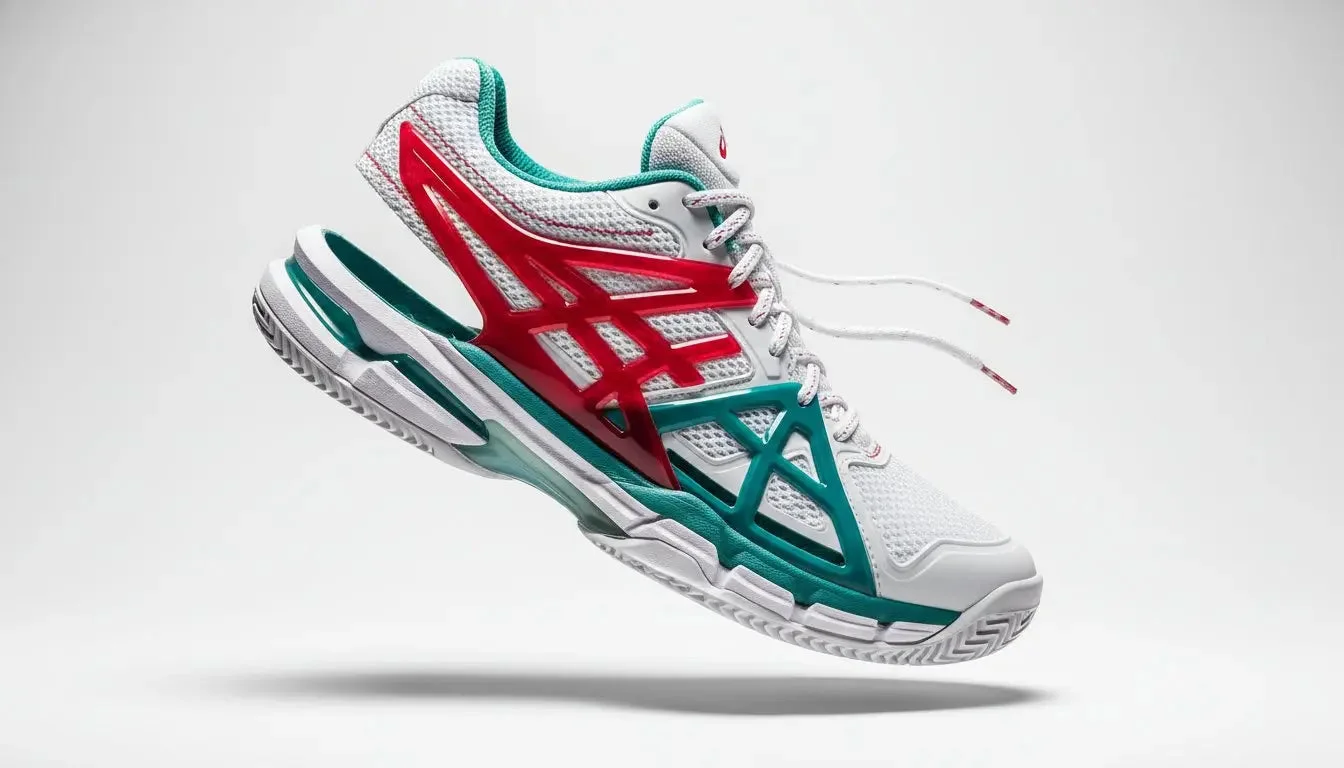
Tennis Shoe Buying Guide: How to Find the Right Pair for Your Game
The best tennis shoes are not simply the most comfortable athletic shoes on the shelf. They are designed for repeated starts, stops, side-to-side movement, quick recovery steps, and the traction demands of a particular court. A good pair should feel secure without restricting your foot, provide enough cushioning for long sessions, and hold up under the kind of movement your game requires. Before choosing a color or brand, consider where you play, how you move, and whether the fit remains comfortable after several minutes of activity.
Tennis Shoes vs. Running Shoes
Running shoes are built mainly for forward motion. Their cushioning and flexible construction can feel pleasant during a jog, but they may not provide enough lateral stability for tennis. On court, players frequently plant one foot, change direction sharply, and slide or stop while moving across the baseline. A running shoe with a tall, soft midsole can feel unstable during those movements, and its outsole may wear quickly when exposed to repeated side-to-side friction.
Tennis shoes usually have a broader, more supportive base, reinforced areas around the toe and inner foot, and an outsole designed for court traction. They may feel firmer than running shoes because the goal is controlled movement rather than maximum softness. That difference is useful: a shoe that feels slightly less plush while standing may provide better confidence when you are defending a wide shot or moving toward the net. Cross-training shoes can work for occasional recreational play, but regular players generally benefit from purpose-built tennis footwear.
Choose Shoes Based on Your Court Surface
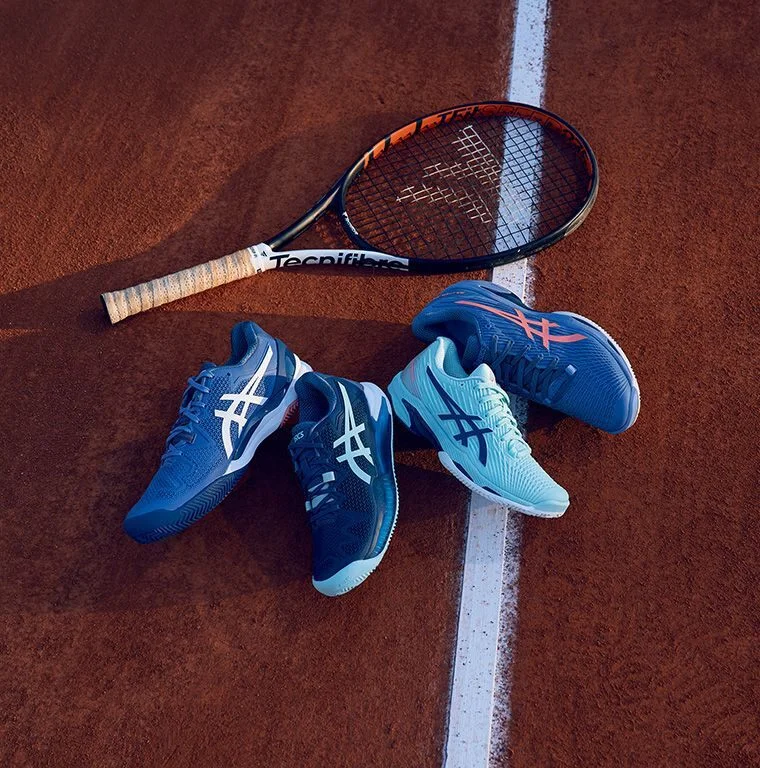
The court surface should be one of your first filters. Hard courts are abrasive and place substantial stress on the outsole, so look for a durable rubber compound, dependable grip, and enough cushioning to make frequent stops more comfortable. Hard-court models often offer a balanced tread pattern that supports both traction and controlled sliding, although the exact design varies by manufacturer.
Clay courts require a different outsole. Tennis Court shoes made for clay commonly use a continuous herringbone pattern that helps release loose material and maintain contact with the court. Clay-specific shoes can also make it easier to slide in a controlled way without collecting excessive dust in the tread. Using them on hard courts may wear the pattern faster, while a hard-court outsole can disturb the clay and provide less predictable movement.
Grass courts generally call for low-profile shoes with small, strategically placed dimples or nubs. These patterns are intended to provide grip without damaging the playing surface. If you play on more than one type of court, an all-court model is usually the practical compromise. It will not be as specialized as a clay or grass shoe, but it can simplify your rotation and reduce the need to own several pairs.
Match Tennis Shoes to Your Playing Style
Baseline players often need a durable outsole and reinforced upper because they cover considerable ground and make repeated lateral movements. Look for a stable heel counter, a secure midfoot fit, and protection around the toe area. Players who slide deliberately may prefer a design that offers flexibility through the forefoot while retaining structure around the heel and arch.
Serve-and-volley players may prioritize a lighter shoe that transitions quickly toward the net. A low-to-the-ground feel can make short, rapid steps easier, but do not sacrifice stability simply to reduce weight. Doubles players typically benefit from the same balance of agility and support because points can involve sudden changes in direction and frequent forward movement. Beginners should usually choose a versatile, supportive model rather than an extremely specialized shoe until their movement patterns become clearer.
Ultimate Tennis Shoe Buyer's Guide Fall 2025
Your body size, playing frequency, and personal tolerance for firmness also matter. Someone who plays twice a month may value comfort and versatility, while a player on court several times each week should place greater emphasis on outsole durability and a secure fit. If you wear orthotics, confirm that the removable insole and internal shape leave enough room without creating heel lift.
Understand Fit, Support, and Cushioning
Start with length, but do not stop there. Your longest toe should have a small amount of space in front of it, especially because feet can swell during a long match. Your heel should remain seated when you walk, split-step, and change direction. Excess space can cause sliding inside the shoe, while an overly short shoe may lead to pressure at the toes. Remember that sizing is not identical across brands; a 5.5 in one model may not fit like a 5.5 in another.
Width is equally important. A shoe that pinches the forefoot can become distracting even if the length is correct, while an overly roomy upper may allow unwanted movement. Look for a secure midfoot hold without relying on excessively tight lacing. If standard laces are difficult to adjust between games, an elastic system such as LOCK LACES may be convenient for some players, provided it still gives you a stable, personal fit.
Cushioning should reduce harsh impact without making the shoe feel unstable. A softer midsole may appeal to players who prefer a more comfortable feel, while a firmer platform can provide a quicker, more connected response. Neither is automatically better. Pay attention to whether your foot feels supported during lateral movement, not just whether the shoe feels comfortable while standing in a store. Breathability, tongue padding, and seam placement also affect comfort during warm conditions.
Set a Budget and Compare Durability
Recommended product
Use these catalog picks as a shortlist for tennis shoe buying guide: how to find the right pair for your game. Compare measurements, materials, and return terms side by side instead of buying from a photo alone.
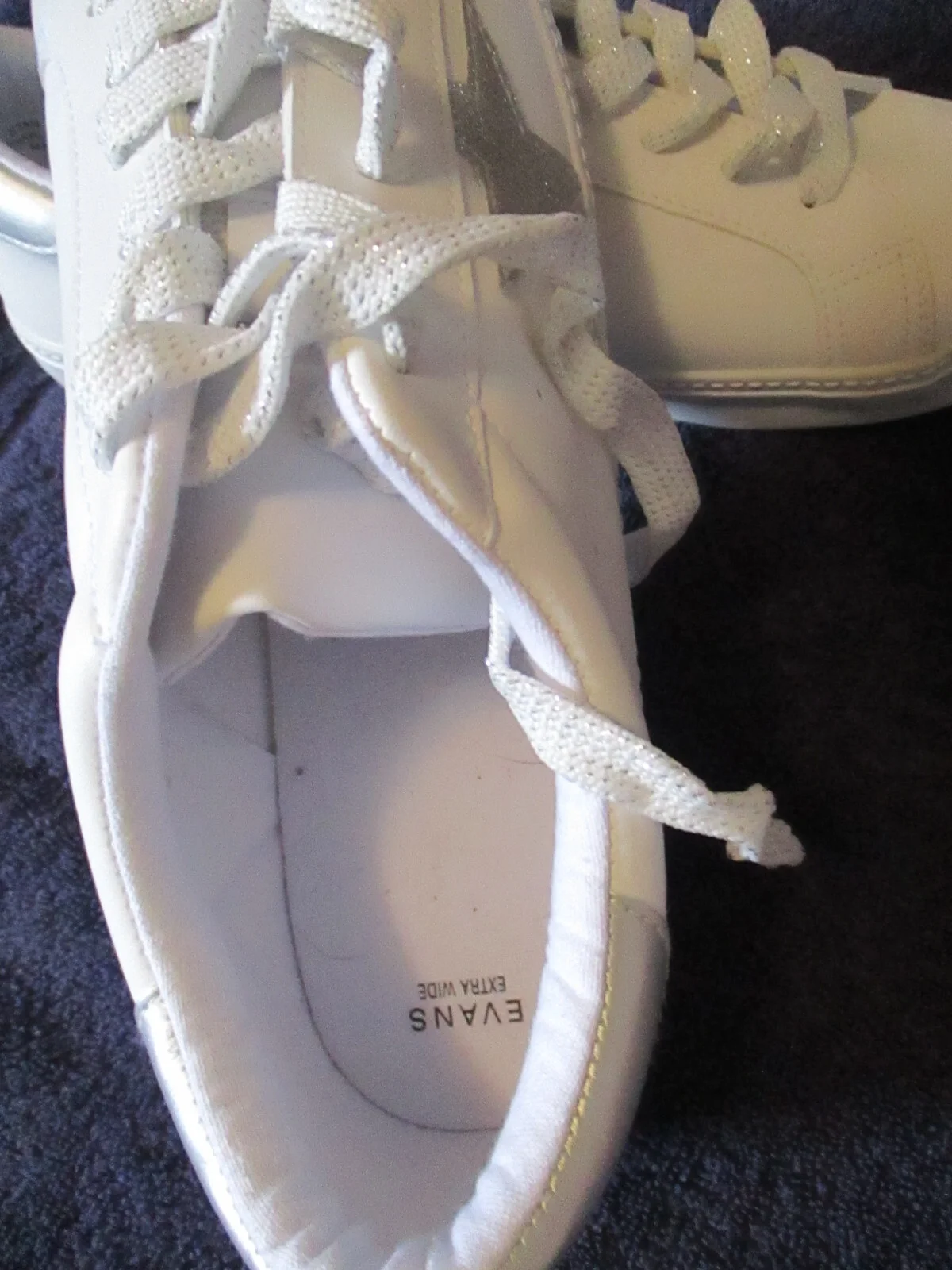

Price is an important part of the decision, but the least expensive pair is not always the best value. Consider how often you play and where the outsole will receive the most wear. A durable model may cost more initially yet make sense for a frequent hard-court player. A recreational player may reasonably choose a simpler all-court shoe, especially if advanced support features are unlikely to make a noticeable difference.
Inspect the outsole, toe guard, stitching, and flex points before buying. Heavy rubber in high-wear areas can extend useful life, while excessive weight may make the shoe tiring. Keep your playing conditions in mind when choosing color as well. White tennis shoes can show clay dust and surface scuffs quickly, although that is a cosmetic concern rather than a performance problem. Brands such as HOBIBEAR may appear among budget-oriented footwear options, but compare construction, court suitability, return terms, and sizing rather than choosing by brand name alone. Everyday athletic basics from Fruit of the Loom may be useful for socks or apparel, but they do not replace the specialized outsole and support of tennis footwear.
When comparing a catalog pick later on the page, weigh its advantages and limitations against your needs: note whether it is intended for hard, clay, grass, or all-court use; check the width and available sizes; assess outsole durability, cushioning, breathability, and return flexibility; then decide which compromises are acceptable. A lighter shoe may feel faster but offer less protection, while a heavily reinforced shoe may last longer but feel less nimble.
How to Test Tennis Shoes Before Buying
Try shoes while wearing the socks you normally use for tennis, preferably later in the day when your feet are not at their smallest. Walk, jog lightly, perform a few split steps, and make controlled side-to-side movements if the store permits. Your heel should not lift, your toes should not strike the front, and your foot should not slide over the edge of the insole. Bend the shoe at the forefoot to check that it flexes where your toes naturally bend rather than collapsing through the middle.
Test both shoes because feet are rarely perfectly identical. Spend several minutes in them instead of judging the fit after a few steps. Any sharp pressure point, numbness, or rubbing is a warning sign that may become worse during play. Do not assume the shoe will stretch enough to solve a major sizing problem. If you shop online, measure both feet, follow the manufacturer’s size chart, read the return policy carefully, and avoid removing tags or wearing the shoes outdoors until you are confident about the fit.
Finally, break in a new pair gradually. Use it for short practice sessions before entering a long match, and monitor the outsole for early wear. Replace tennis shoes when the tread is noticeably smooth, the midsole feels compressed, the upper no longer holds your foot securely, or discomfort appears despite a previously good fit. Choosing based on surface, movement, fit, and durability will give you a more dependable result than selecting a shoe solely for appearance or a familiar logo.
FAQ: Tennis Shoe Buying Guide: How to Find the Right Pair for Your Game
What is the difference between tennis shoes and running shoes?+
Tennis shoes are designed for lateral movement, quick stops, and repeated court contact, while running shoes are built mainly for forward motion. Tennis shoes typically offer stronger side support, a more stable platform, and outsoles suited to court surfaces.
Which tennis shoes are best for hard courts, clay courts, or grass courts?+
Hard-court tennis shoes usually need durable, supportive outsoles with enough cushioning for repeated impact. Clay-court shoes commonly use a herringbone tread for traction and easier sliding, while grass-court shoes have a flatter or nubbed outsole designed to grip without damaging the surface. Check the court rules before buying, especially for grass or club-specific requirements.
How should tennis shoes fit?+
Tennis shoes should feel snug and secure around the heel and midfoot without squeezing your toes. Leave a small amount of room at the front, and try them on with the socks you wear for tennis; your feet may swell during longer matches, so avoid a fit that feels tight in the forefoot.
What should I look for in tennis shoes if I play aggressively?+
Aggressive players who sprint, stop, and change direction often should prioritize lateral stability, a secure heel counter, durable toe protection, and an outsole suited to their court surface. Players who spend more time at the baseline may also prefer extra cushioning, while serve-and-volley players may value a lighter, flexible design.
How can I test tennis shoes before buying them?+
Try both shoes on and walk, lunge, and make side-to-side movements to check for heel lift, slipping, or pressure points. Bend and pivot as you would on court, and compare the shoe’s stability, cushioning, traction, and comfort rather than judging it by appearance alone. If buying online, review the return policy and measure your feet against the seller’s size chart.