Tennis shoes collect more than ordinary dust. Hard-court residue, red clay, grass, sweat, and rubber marks can settle into the outsole and fabric after only a few matches. The safest cleaning method depends on the shoe’s materials, so begin by checking the care label and identifying whether the upper is mesh, knit, synthetic leather, leather, or suede. Most tennis shoes can be refreshed at home with gentle tools, cool water, and patience. Avoid treating them like ordinary laundry: heat, aggressive scrubbing, and prolonged soaking can weaken adhesives, distort the fit, or leave the midsole permanently discolored.
What You Need to Clean Tennis Shoes
Gather a soft-bristled brush, an old toothbrush, two clean cloths, a small bowl, mild liquid laundry detergent or dish soap, and cool or lukewarm water. A dry microfiber cloth is useful for lifting loose dust before moisture spreads it. For white midsoles, keep a separate melamine foam sponge available, but use it sparingly and only on rubber or firm synthetic surfaces because it is mildly abrasive. A mesh laundry bag can help protect removable laces if they are machine washable, although hand washing gives you more control.
Do not reach for bleach, harsh solvents, fabric softener, or strong stain removers unless the manufacturer specifically permits them. These products can change the color of engineered mesh, break down printed details, or leave a residue that attracts more dirt. If you are cleaning shoes from brands such as Under Armour or New Balance, follow the model-specific instructions first; similar-looking tennis shoes can still use different combinations of foam, textile, coating, and glue.
Before cleaning the full pair, test your solution on a hidden section. This is especially important for colored knit, suede panels, metallic finishes, and shoes with a special coating. If the color transfers to the cloth or the surface becomes rough, stop and use a professional cleaner or the manufacturer’s recommended method instead.
How to Remove Dirt and Clay Stains
Start with completely dry shoes. Remove the laces and insoles, then tap the soles together outdoors or over a wastebasket to release loose grit. Brush the upper, seams, and outsole grooves in one direction with a dry soft brush. Clay is easier to remove when it is dry; adding water too early can turn fine dust into a paste that spreads across mesh and stitching.
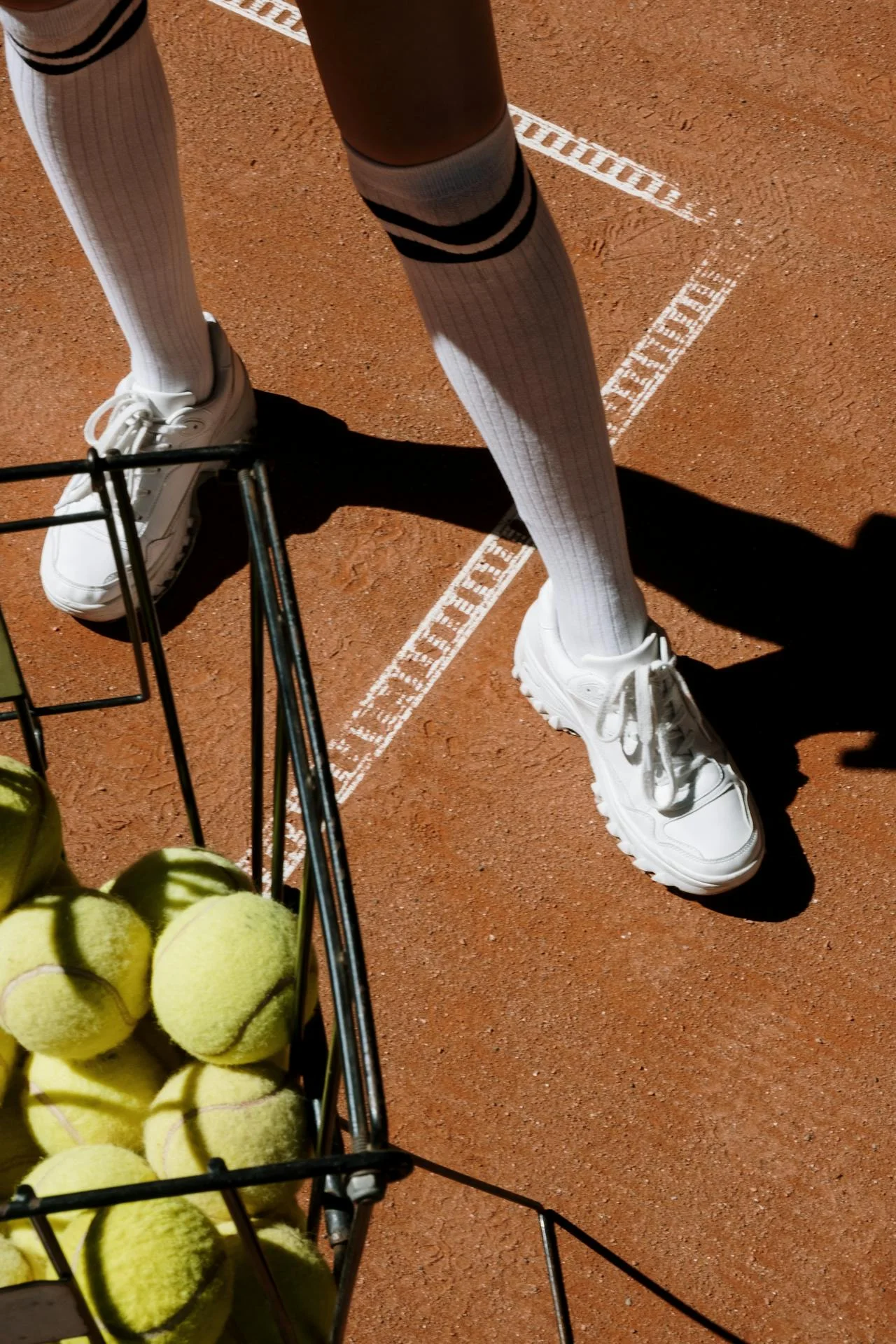
For packed clay in the tread, use a toothbrush or wooden toothpick gently around the grooves. Work from the center of the sole toward the edge so you do not push debris deeper into the pattern. Do not use a knife or metal tool, which can cut the rubber or damage the traction surface. Once the dry material is gone, dip the brush into a solution of cool water and a small amount of mild detergent. Scrub the outsole in short sections, then wipe away the loosened residue with a damp cloth.
Red clay may leave a pink or orange shadow even after the particles are removed. Repeat the mild cleaning process instead of increasing the detergent concentration. Several light passes are safer than one aggressive treatment. For a black scuff on a white rubber foxing or toe guard, a barely damp melamine sponge can help, but keep it off mesh, painted details, leather, and suede. Rinse the area with a clean damp cloth so dried soap does not form a dull film.
How to Clean Tennis Shoe Uppers
How Do You Remove Stains From Tennis Court Shoes? - The Racket Xpert
Stuff each shoe loosely with a clean towel or plain paper to support its shape. Do not use newspaper on light-colored uppers because ink can transfer when wet. Mix a small amount of mild detergent into water until the solution is lightly soapy. Dip a soft brush into the foam rather than saturating the shoe, and clean from the least dirty areas toward the heavily stained sections. Use gentle circular motions on synthetic panels and short strokes that follow the weave on mesh.
Wipe the surface frequently with a clean, damp cloth. This removes dirty foam before it dries back into the material. Pay particular attention to the toe box, lace eyestays, heel collar, and the seam where the upper meets the midsole. These areas hold sweat and grit, but excessive pressure can roughen fabric or force dirt under the coating. For leather panels, use minimal water and finish with a product made for athletic leather if the care instructions allow it. Suede should generally be brushed dry and treated with a suede-specific cleaner rather than a household detergent.
For shoes marketed under labels such as Little Boys, do not assume a smaller pair can be cleaned more aggressively. Children’s tennis shoes often have glued decorations, printed graphics, or foam components that are just as sensitive to heat and soaking as adult footwear. Likewise, an Original or Classic colorway may use a different upper finish from another shoe in the same brand family. Treat the material in front of you, not only the name on the box.
How to Wash Tennis Shoe Insoles and Laces
Wash laces separately because they trap fine clay and can redeposit it on a clean upper. Shake or brush them first, then soak them for about ten minutes in cool water with a small amount of mild detergent. Rub the fabric between your fingers, rinse until the water runs clear, and press them inside a towel to remove excess water. Hang them or lay them flat to dry. If the aglets are cracked or the laces no longer stay tied, replacement is more sensible than repeated washing.
For removable insoles, brush away dry debris and wipe both sides with a lightly soapy cloth. If the manufacturer permits immersion, briefly hand wash them in cool water, but avoid twisting because the foam can deform. Rinse thoroughly and press them between towels. Insoles that remain damp or retain a strong odor after cleaning may need replacement, particularly if the cushioning has become compressed. Never reinstall an insole while it is still wet, since trapped moisture can slow drying inside the shoe.
Recommended products
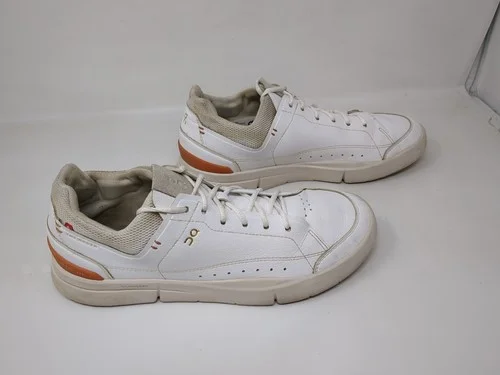
Use these catalog picks as a shortlist for how to clean tennis shoes and remove court stains. Compare measurements, materials, and return terms side by side instead of buying from a photo alone.


A washing machine is not the first choice for tennis shoes. Agitation can bend heel counters, strike the outsole, and stress glued areas, while a dryer can shrink or warp components. If a care label explicitly permits machine washing, place the shoes in a protective bag, use a cool delicate cycle with a small amount of mild detergent, and skip the spin intensity and heat settings when possible. Hand cleaning remains the more controlled option.
How to Dry Tennis Shoes Without Damage
After cleaning, press the shoes gently with a towel and leave them in a well-ventilated room at normal indoor temperature. Keep them away from radiators, hair dryers, heated floors, clothes dryers, and direct strong sunlight. Fast heat can harden adhesives, distort foam, fade color, and cause leather or coated surfaces to crack. Replace the paper or towel inside the shoes when it becomes damp. Most pairs need several hours to dry, and thickly padded models may need a full day.
Set the shoes on their sides or with the openings facing outward so air can circulate through the interior. Do not stack wet shoes or seal them in a gym bag. Before wearing them on court, confirm that the upper, tongue, insole, and toe area are fully dry. Moisture left under the insole can make the shoe feel uncomfortable and may contribute to premature material breakdown.
How to Compare Replacement and Cleaning Options
When the catalog includes replacement tennis shoes, insoles, laces, or cleaning kits, compare them by material compatibility, care instructions, cushioning condition, outsole wear, and total cost rather than by appearance alone. A dedicated cleaner may offer better control and less residue, while a household mild detergent is inexpensive and widely available but easier to overuse. A replacement insole can restore fit and support when the original is compressed, but it may alter the shoe’s volume. New tennis shoes provide a clean starting point, yet replacing a pair solely for surface stains may be unnecessary if the outsole, upper structure, and fit remain sound.
After every match, spend a minute brushing off dry court dust and removing loose clay before storing the pair. Rotate footwear when possible, loosen the laces fully after play, and let shoes air out before placing them in a bag. Regular light care is safer than infrequent deep scrubbing, and it helps preserve the traction, shape, and comfort that matter most when tennis shoes are used on court.