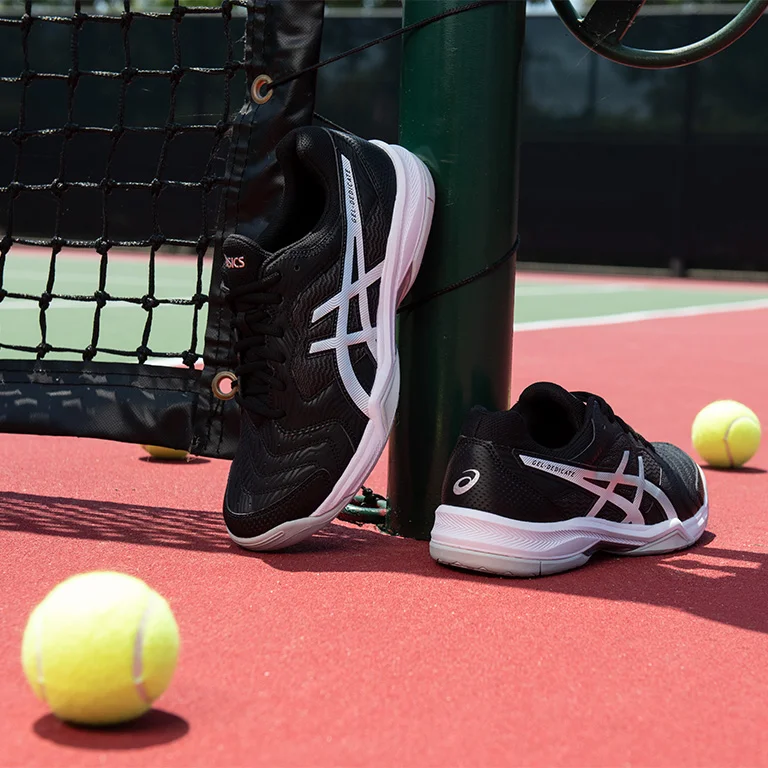
Why Hard Courts Need Specialized Tennis Shoes
Hard courts are built from rigid layers of asphalt or concrete covered with an acrylic surface. That consistency makes the ball bounce predictably, but it also creates more impact and friction than softer clay or grass. The right tennis shoes help you move confidently during repeated stops, starts, lateral shuffles, and quick changes of direction. Running shoes are usually designed for forward motion and may not provide enough side-to-side stability, while casual sneakers can wear down quickly under the demands of tennis.
When shopping For tennis shoes, start by considering how and where you play. A recreational player who visits an indoor hard court once a week may prioritize comfort and value. Someone who practices several times a week needs a more durable outsole, stronger upper materials, and reliable support around the midfoot. Your movement style matters too. Aggressive movers who slide into wide shots generally place more stress on the toe box and outer edge of the shoe, while players who stay closer to the baseline may want a balance of cushioning and responsive court feel.
Hard-Court Shoe Features to Look For
The outsole is one of the most important parts of a hard-court shoe. Look for a durable rubber compound that can withstand abrasive surfaces without becoming excessively heavy. Many Tennis Court shoes use a full-length outsole rather than exposed foam in high-wear areas. A reinforced toe section is also useful, particularly if you drag the toe during serves, slides, or recovery steps.
Cushioning should absorb repeated impact without making the shoe feel unstable. A thick, soft midsole may feel comfortable in a store but can reduce your connection to the court if it compresses too much during lateral movement. A better choice is cushioning that feels protective while still allowing you to sense when your foot is loaded for the next step. Materials vary by manufacturer, so compare the overall ride rather than assuming that more foam automatically means more comfort.
Pay attention to the upper as well. Mesh can improve ventilation, but mesh panels should be supported by overlays or a structured cage if you need strong containment. Synthetic leather and reinforced textiles often resist abrasion better, although they may feel warmer. The heel counter should hold your heel securely without digging into the Achilles area. Check the tongue and collar padding for pressure points, especially if you wear thicker tennis socks.
Small accessories can affect the fit. Flat laces usually spread pressure evenly, while elastic alternatives such as LOCK LACES may be convenient for players who want quick, consistent tightening. Socks also matter: a padded pair can change the volume inside the shoe, so try shoes with the socks you normally wear. Brands such as GOLD TOE and Fruit of the Loom offer different sock constructions, and a smooth, well-fitting pair can help reduce bunching and friction. These details cannot compensate for a poorly shaped shoe, but they can improve the fit of a suitable one.
Choosing the Right Sole and Tread Pattern
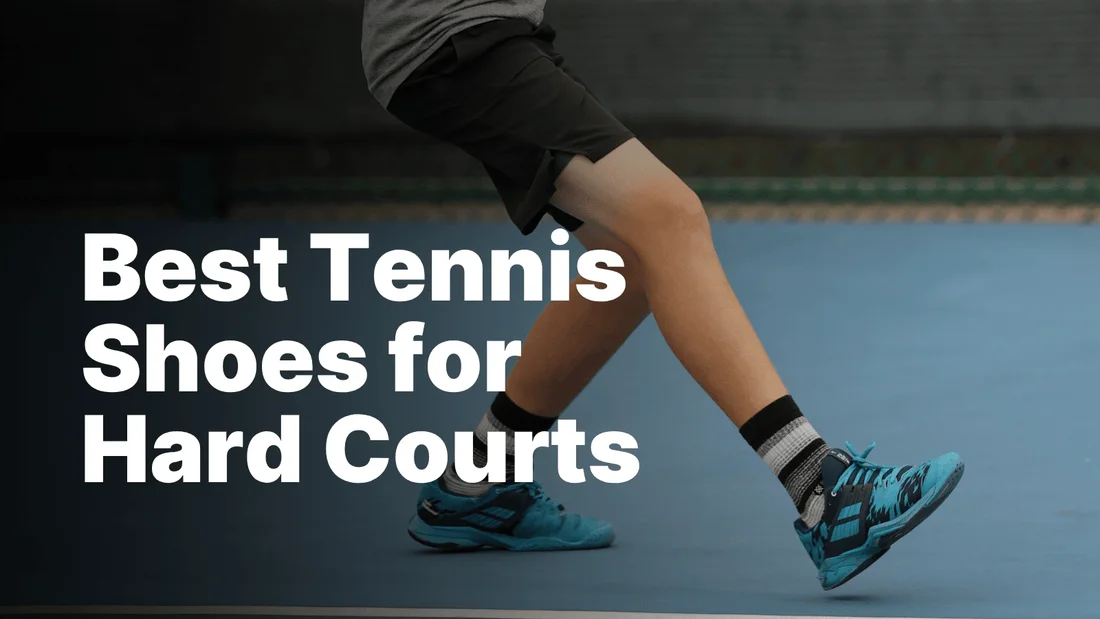
Hard-court outsoles commonly use a modified herringbone or similarly organized tread pattern. The grooves should provide enough grip for braking and lateral movement while allowing controlled release when you change direction. Deep, widely spaced grooves can shed debris, but the exact pattern is less important than the outsole rubber, court rating, and feel underfoot. A shoe labeled specifically for hard courts is generally a safer choice than a generic indoor sneaker.
Avoid choosing solely by appearance. A White outsole or upper may look clean and versatile, but light colors show court dust and surface marks quickly. Darker or mixed-color designs can disguise wear, though color has no meaningful effect on traction. More important is whether the outsole is non-marking when required by your facility and whether its shape matches your foot. If you also play on clay or grass, check the manufacturer’s guidance rather than assuming one tread works equally well everywhere.
Before buying, examine the flex points. The shoe should bend near the forefoot rather than folding through the middle, and the tread should make broad, stable contact with the court. If the outsole feels unusually stiff, give yourself time to break it in before a competitive match. However, do not rely on a long break-in period to fix painful pressure or severe stiffness. A tennis shoe should feel secure from the beginning, even if its cushioning and upper become more comfortable after a few sessions.
Finding the Best Fit and Support
Measure your feet later in the day, when they may be slightly larger than in the morning, and wear your usual tennis socks. Leave roughly a thumb’s width between your longest toe and the front of the shoe. Your toes should be able to spread without touching the end, but your foot should not slide forward when you stop. If one foot is larger, fit the larger foot and adjust the lacing on the other side.
Width is just as important as length. A narrow shoe can create pressure along the little toe and forefoot, while an overly wide shoe may allow movement that causes blisters or reduces control. Try walking, shuffling, and making a gentle lateral step in the store. Look for a snug heel, a stable midfoot, and enough forefoot room for natural movement. Players with high arches, broad feet, or a history of fit problems may need to compare several lasts rather than choosing based on brand reputation alone.
Support should match your movement without restricting it. A stable base and secure heel counter are valuable for side-to-side play, but rigid external supports are not automatically better. If you use custom or over-the-counter insoles, remove the original insole first to check whether there is enough space. Do not stack inserts unless the shoe is designed to accommodate them, because doing so can crowd the toes and lift the heel out of its intended position.
How to Compare Catalog Picks
When comparing catalog picks, list the practical pros and cons for each model. One may offer excellent durability but feel heavier; another may be lighter and more breathable but use less reinforcement at the toe. Compare the stated court type, outsole warranty if available, width options, cushioning design, return policy, and price rather than relying on a star rating alone. A lower-priced shoe can be the better choice if its shape fits your foot and its outsole matches your playing frequency.
When to Replace Hard-Court Tennis Shoes
Replace hard-court shoes when the outsole tread is visibly smooth, the rubber is worn unevenly, or the midsole no longer feels supportive. Check the outer edge and toe first, since those areas often show wear before the rest of the shoe. A shoe can look clean while its cushioning has lost resilience, so pay attention to new foot fatigue, increased slipping, or discomfort after sessions that previously felt normal.
There is no universal mileage number because replacement timing depends on body weight, playing frequency, court texture, movement style, and shoe construction. Rotate between two pairs if possible and keep them dry between uses; this can make it easier to notice changes in cushioning and may reduce premature wear. Do not wait for a hole or complete tread failure if the shoe no longer feels stable. Choosing a fresh, properly fitted pair is a practical way to maintain confidence in every split step, recovery, and approach to the ball.