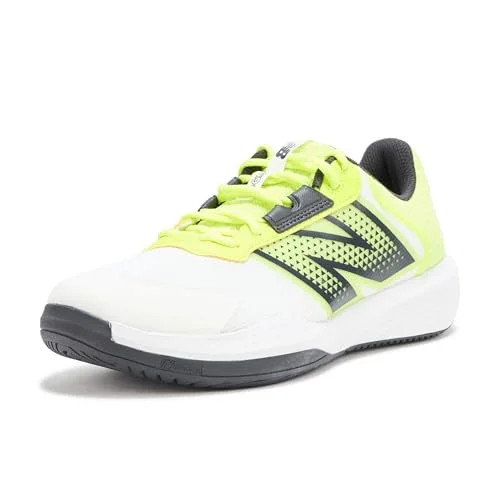
Finding tennis shoes for wide feet is not simply a matter of choosing one size larger. Extra length can leave the heel sliding while the forefoot still feels compressed, especially during lateral movement. The right pair should give your toes room to spread, hold the heel securely, and provide enough side-to-side support for quick changes of direction. This guide covers the features that matter most, how to measure your width at home, and how to compare tennis shoes for different playing needs.
What Makes a Tennis Shoe Good for Wide Feet
A wide-friendly tennis shoe starts with the shape of its upper and sole, not just the width printed on the box. Look for a rounded or generously shaped toe box that lets the big toe point forward without pressing against the side. The shoe should also have enough volume over the midfoot so laces do not create uncomfortable pressure across the top of your foot.
Width labels are useful, but they are not perfectly consistent between brands or models. A shoe marked wide may feel roomy in the toes but narrow through the arch, while another may have a naturally broad Original fit without a separate width option. Read the listed sizing information carefully and check whether the manufacturer offers standard, wide, or extra-wide versions.
Court shoes also need more than soft cushioning. A broad outsole, firm heel counter, and stable midsole help keep your foot aligned when you push sideways. Excessively soft or tall cushioning may feel comfortable at first but can make the shoe feel less secure during fast movement. For recreational players, a balanced design is usually more useful than maximum softness.
Best Tennis Shoes for Wide Feet
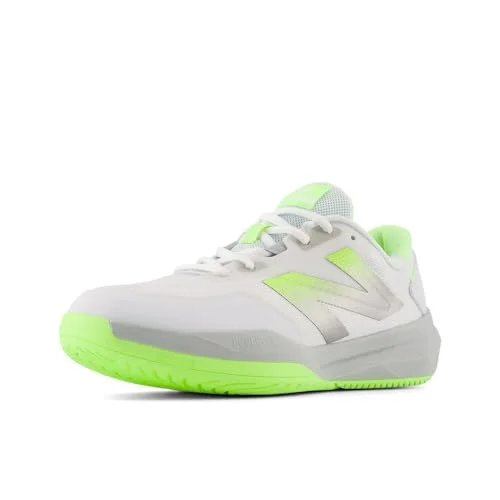
The best choice depends on where your foot is widest and how you play. If your toes need the most room, prioritize a rounded forefoot and flexible upper. If your midfoot is broad, focus on adjustable lacing and a tongue that does not pinch. If you have a narrow heel with a wide forefoot, seek a shoe with a secure heel collar so you do not compensate by sizing up.
When browsing options from names such as WateLves, ShoeAnew, and Under Armour, compare the actual construction rather than choosing by brand name alone. Check the available width choices, outsole shape, return policy, and sizing chart. Some casual-looking tennis shoes may be comfortable for walking but lack the reinforced sidewalls and court-specific traction needed for regular play.
For womens tennis shoes, remember that the label does not determine the fit by itself. Foot shape varies widely, and women’s models may differ in heel width, upper height, or available sizing. Compare measurements in the specific model’s chart instead of assuming your usual womens size will fit identically across brands.
Parents shopping for Little Boys should leave enough room for natural growth without allowing the foot to move excessively inside the shoe. A child’s toes should not touch the front, but an oversized pair can make running and stopping less stable. Look for easy-to-adjust straps or laces, a flexible forefoot, and a sole that bends near the toes rather than through the middle of the shoe.
With one catalog pick, compare its pros and cons against your own fit priorities: a roomy toe box and flexible upper are advantages for forefoot comfort, while limited width choices or a less secure heel may be drawbacks. Also check whether the return window allows an indoor try-on, since a shoe can appear wide in photographs but feel restrictive once your foot is fully inside it.
How to Measure Your Foot Width
Measure your feet at the end of the day, when they are usually at their largest. Wear the socks you expect to use for tennis. Place a sheet of paper on a hard floor, stand with your weight evenly distributed, and trace around each foot while holding the pencil upright. Measure the distance between the farthest points on each side of the outline, then record the larger measurement.
Best Shoes For Wide Feet 2025 👟
Measure both feet because small differences are common. Use the longer foot to determine length and the wider foot to determine width. Compare those measurements with the brand’s chart rather than relying only on a familiar numeric size. If your measurement falls between sizes, consider the shoe’s construction: a flexible knit or mesh upper may accommodate more variation than a stiff synthetic overlay.
Your fit check should confirm the measurement. Stand up and make sure your longest toe has a small amount of space from the front. Your toes should be able to move without rubbing the upper, while the heel should stay in place when you walk. If you feel pressure along the little-toe side, do not assume the shoe will stretch enough to solve the problem.
Features to Check for Comfort and Stability
Toe box and upper
A wide toe box is helpful only if the upper remains supportive. Mesh can improve breathability and accommodate mild swelling, but it should be reinforced where the foot pushes against the shoe during lateral movement. Avoid seams that sit directly over a sensitive spot. A padded tongue can reduce lace pressure, although excessive padding may take up valuable space over a high-volume foot.
Lacing and heel hold
Traditional laces usually provide the most precise adjustment for wide feet. You can loosen the forefoot eyelets while keeping the upper laces snug around the ankle. A firm heel counter and padded collar reduce unwanted movement without requiring the whole shoe to be tightened aggressively. If the heel lifts when you walk, try the top eyelet for a heel-lock lace pattern before changing sizes.
Outsole and court traction
Recommended product
Use these catalog picks as a shortlist for best tennis shoes for wide feet: top picks and fit tips. Compare measurements, materials, and return terms side by side instead of buying from a photo alone.
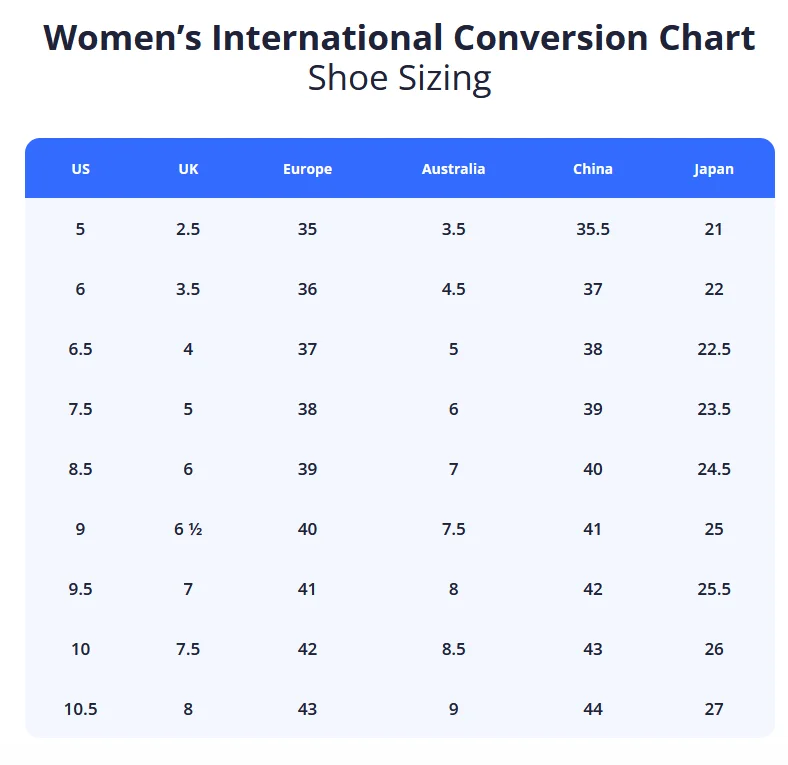

Choose an outsole suited to your playing surface. Indoor courts may require a non-marking sole, while outdoor hard courts demand durable rubber and a tread pattern that can tolerate abrasive surfaces. A wider outsole platform can improve confidence for wide feet, but traction should remain predictable rather than overly sticky or difficult to pivot on.
Cushioning and support
Look for cushioning that absorbs impact without making the shoe feel unstable. Players who spend long sessions on hard courts may prefer more underfoot padding, while quick movers often value a lower, more responsive platform. The best balance is personal, but the shoe should not compress so much that your foot spills over the edge of the midsole.
How to Break In Wide Tennis Shoes
Break in a new pair gradually rather than wearing it for a full match immediately. Start with short indoor sessions of 20 to 30 minutes, then inspect your feet for redness or rubbing. Walk, make gentle side steps, and practice a few controlled stops. This reveals pressure points before you commit to longer play.
Do not rely on painful break-in as proof that a shoe will eventually fit. Materials may soften slightly, but the shoe will not meaningfully become longer or wider in every area. If your toes are cramped, your little toe rubs against a seam, or your heel slips despite careful lacing, return the pair while it is still eligible rather than trying to force a poor fit.
Finally, replace tennis shoes based on wear and loss of support, not only on visible holes. Flattened cushioning, a tilted heel, smooth tread, or increased foot fatigue can all signal that the shoe is no longer performing properly. A well-fitting pair of tennis shoes should feel secure from the first controlled try-on, offer room for natural toe movement, and remain stable when you move across the court.