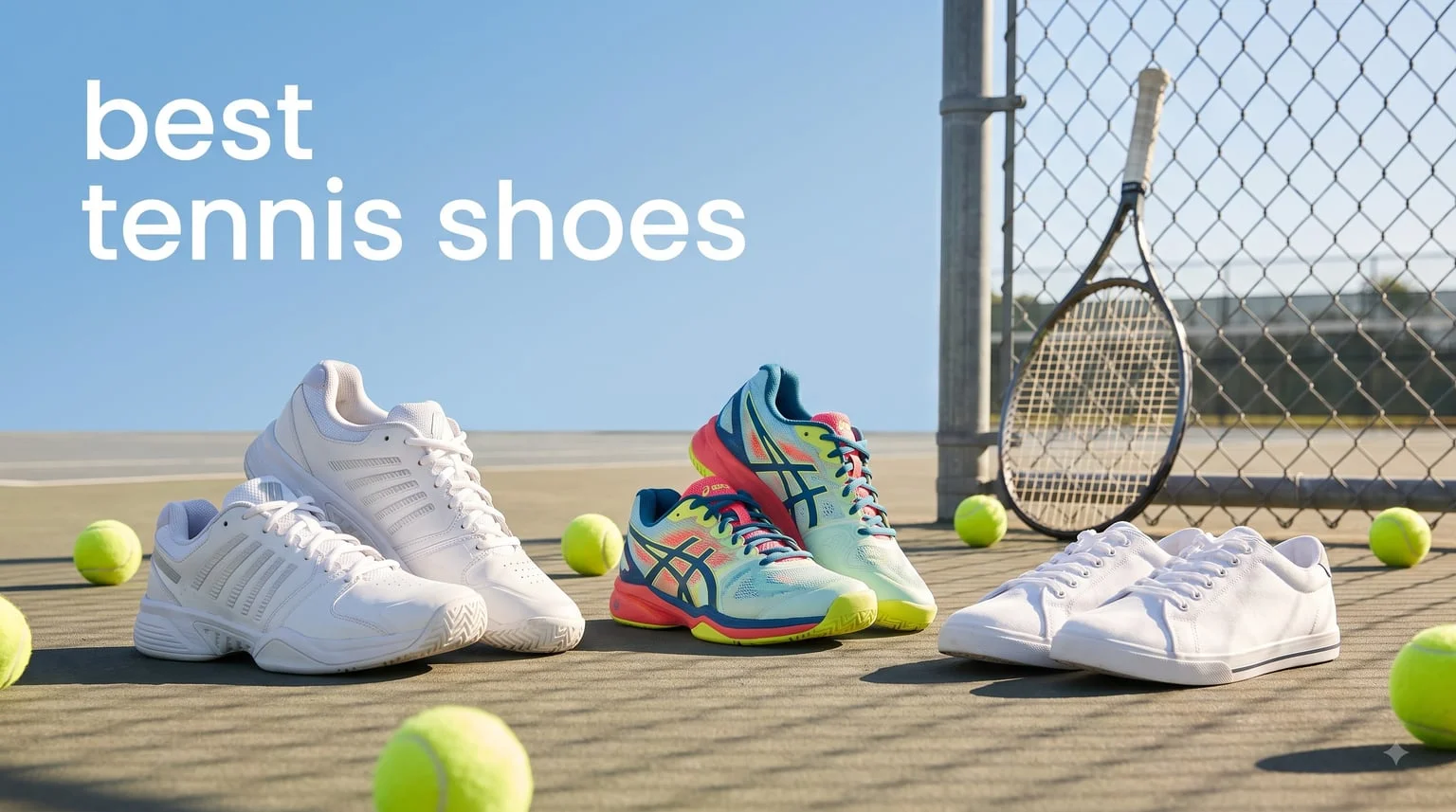
What Beginners Need in a Tennis Shoe
The best tennis shoes for beginners should feel comfortable from the first practice without being soft, loose, or heavy. Tennis involves repeated stops, starts, side-to-side movements, and short sprints, so ordinary running shoes are not always suitable. Running shoes are designed primarily for forward motion, while tennis shoes generally use a more stable platform and a sole designed for lateral movement. That difference matters even for a new player who is still learning basic footwork.
Look for a shoe with a secure upper, a reasonably firm midsole, and an outsole that matches the court surface you use. A beginner does not necessarily need the most advanced or expensive model. Consistent traction, a comfortable fit, and sensible durability are more valuable than an elaborate feature list. If you are still deciding how often you will play, choose a versatile pair that feels stable on the court and comfortable during warmups.
Best Tennis Shoes for Beginner Players
For most new players, an all-court tennis shoe is the most practical starting point. It is designed to balance grip, stability, and durability rather than specializing in one playing surface. All-court shoes are especially useful if you occasionally play on hard courts and do not want to buy separate footwear immediately. Check the outsole description before purchasing, because the right tread pattern and rubber compound can vary by surface.
Hard-court players should prioritize a durable outsole and cushioning that makes repeated movement feel manageable. Hard courts are unforgiving, and beginners often spend extra time practicing stops, split steps, and directional changes. A padded tongue and comfortable collar can also reduce irritation during longer sessions. Clay-court players need a herringbone-style tread that supports controlled sliding and can be brushed clean more easily. Indoor court players should check venue rules and choose a non-marking outsole when required.
When browsing different ranges, you may see options from PUMA alongside less familiar marketplace labels such as WateLves or ShoeAnew. Brand recognition can help with sizing consistency and product information, but it should not replace checking the outsole, fit, return policy, and intended court surface. Product names can be used inconsistently, so read the specifications rather than assuming every shoe described as athletic footwear is suitable for tennis.
Players shopping in women s or womens categories should compare the actual measurements and construction instead of relying only on the category label. Some ranges use different widths, heel shapes, or volume through the toe box, while others mainly change the available size scale or color choices. For children, including Little Boys, prioritize a secure heel, manageable weight, flexible forefoot, and enough room for normal growth without allowing the foot to slide inside the shoe.
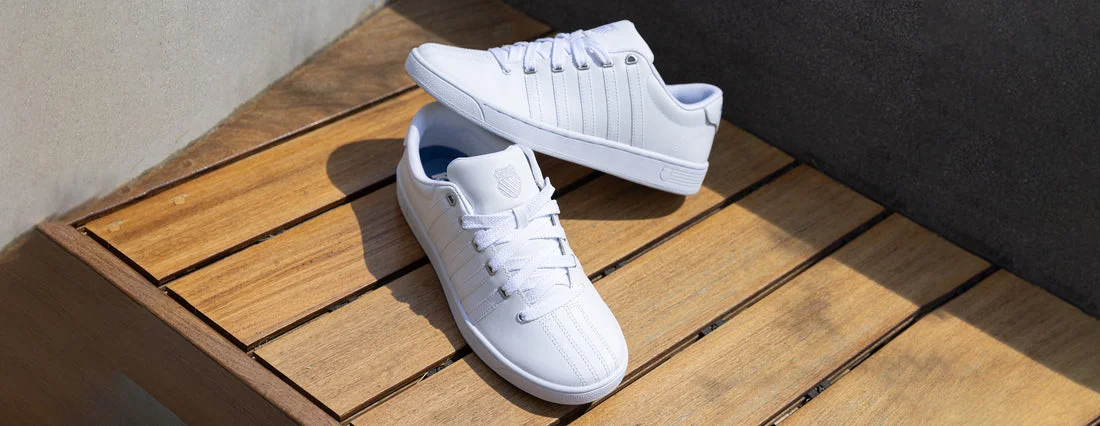
How Tennis Shoes Should Fit
A well-fitting tennis shoe should hold the heel securely while leaving enough space for the toes to spread naturally. Stand up when checking the fit, since feet lengthen and widen slightly under body weight. There should usually be a small amount of room between the longest toe and the end of the shoe, but excessive space can cause sliding during a quick change of direction. The heel should not lift noticeably when walking or performing a gentle side step.
Try shoes with the socks you expect to wear for tennis. A thick athletic sock can change the fit considerably, particularly around the forefoot and ankle. Lace the shoes firmly from the lower eyelets upward, then walk, bend your knees, and make a few controlled lateral movements. Watch for pressure across the widest part of the foot, rubbing at the heel, or toes touching the front. A shoe that feels tight in the store is unlikely to become comfortably wider in every area with use.
Width is just as important as length. A narrow shoe can create pressure along the little-toe side, while an overly wide shoe may allow unwanted movement that reduces stability. If you need a wide fit, look for a manufacturer that offers width options rather than simply sizing up. Increasing length does not reliably solve a width problem and may leave too much room in front of the toes.
Choosing Support, Cushioning, and Durability
Support in a tennis shoe should come from a stable base, a secure upper, and a sole that resists excessive twisting. Beginners often benefit from moderate support because it makes the shoe feel predictable during lateral movement. That does not mean the shoe should be rigid everywhere. The forefoot still needs enough flexibility for walking, split steps, and natural push-off.
Cushioning is a personal balance. More cushioning can feel comfortable during long sessions, but a very soft or tall midsole may feel less stable when changing direction. A firmer, lower-to-the-ground design can provide a more connected court feel, although it may seem less plush. Consider your playing frequency, body weight, court surface, and comfort preferences rather than choosing the softest shoe available. If your feet feel tired after short sessions, improving fit and reducing session length may be more useful than simply adding cushioning.
ADVICE - How to choose your tennis shoes for beginners ? | Decathlon
Durability matters most on abrasive hard courts. Reinforced areas near the toe and inside forefoot can help where players commonly drag or contact the court. Inspect the outsole pattern and rubber coverage, but remember that extra rubber can add weight. Lightweight shoes may feel agile, while sturdier models may last longer for frequent players. There is no universal winner; the sensible choice depends on whether you value low weight, maximum wear life, or a middle ground.
Common Tennis Shoe Mistakes to Avoid
One common mistake is using running shoes for tennis because they feel comfortable during a straight-line jog. Their cushioning and flexibility may not provide enough side-to-side stability, and their outsole may wear quickly on a tennis court. Casual sneakers can create similar problems, particularly if the tread is not designed for controlled court movement.
Another mistake is buying a shoe that is too large to allow for growth or extra socks. A small amount of toe room is sensible, but a loose heel and sliding foot can cause blisters and make footwork less consistent. Avoid judging a shoe only by its appearance, listed technology, or sale price. Read the court-surface guidance, examine the return conditions, and use measurements when available.
Do not ignore break-in discomfort. Tennis shoes may soften slightly as materials flex, but sharp pressure, persistent rubbing, numbness, or toe contact are warning signs of an unsuitable shape. Returning an uncomfortable pair early is usually wiser than hoping repeated play will solve a sizing problem. Also avoid wearing a brand-new pair for a long match; use shorter practice sessions first so you can identify hot spots.
A Simple Beginner Buying Checklist
Start by identifying your usual court surface and how frequently you expect to play. Then choose an all-court model if your schedule or playing location varies. Confirm that the outsole is appropriate, the shoe is permitted at your facility, and the upper holds your foot securely without pressure. Compare the listed length and width measurements with a pair that already fits well, and check the retailer’s return policy before ordering.
Finally, prioritize comfort that remains stable during movement rather than comfort while sitting still. A good beginner tennis shoe should let you focus on learning strokes, positioning, and footwork instead of thinking about slipping, pinching, or excessive foot fatigue. As your game develops, you may discover that you prefer a lighter shoe, more cushioning, or a specialized clay or hard-court design. For a first pair, however, dependable fit and court-appropriate traction are the most useful foundations.
FAQ: Best Tennis Shoes for Beginners: Comfortable Picks for New Players
What are the best tennis shoes for beginners?+
The best tennis shoes for beginners offer comfortable cushioning, a secure fit, dependable side-to-side support, and an outsole suited to the court surface. Choose a pair designed specifically for tennis rather than running, since tennis shoes are built for quick lateral movement and frequent stops.
How should tennis shoes fit for a beginner?+
Tennis shoes should feel snug around the heel and midfoot without pinching, while leaving roughly a thumb’s width of space in front of the toes. Try them on with your tennis socks and make sure your toes can spread naturally without your foot sliding during movement.
Are running shoes suitable for beginner tennis players?+
Running shoes are usually not the best choice for tennis because they prioritize forward motion and may not provide enough lateral stability. Beginners should look for tennis shoes with a supportive upper, a stable platform, and an outsole made for their court type.
What should beginners look for in tennis shoe cushioning and support?+
Look for enough cushioning to make walking, warmups, and extended play comfortable, but avoid a platform that feels overly soft or unstable. A supportive heel, secure midfoot fit, and reinforced areas around the toe and sides can help the shoes handle tennis-specific movement.
How can beginners choose durable tennis shoes for their court surface?+
Select an outsole designed for the surface you play on most: hard-court shoes typically emphasize durability, while clay-court shoes commonly use a herringbone pattern for traction and easier sliding. Check the outsole and toe area for reinforced rubber, and replace the shoes when the tread is noticeably worn or the fit becomes less supportive.